





Decoration
Warm or Cool – The True Impact of Your Choice of Lighting
Warm or Cool – The True Impact of Your Choice of Lighting
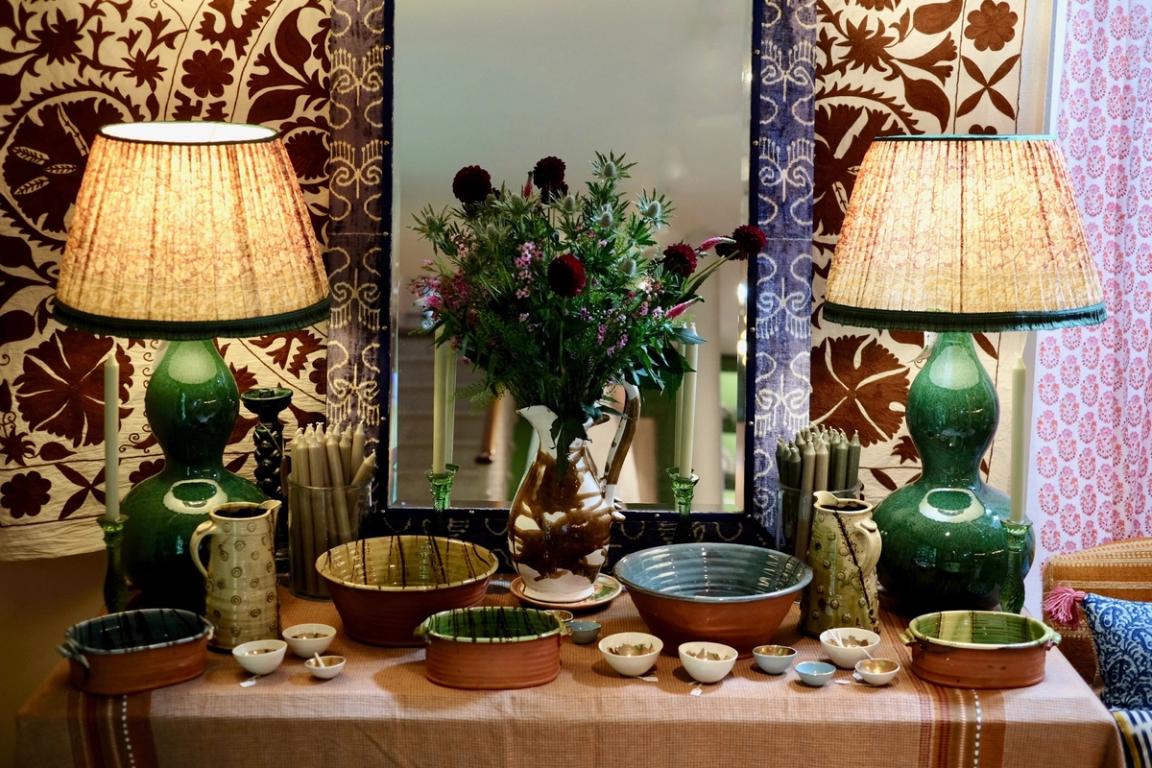
Most of us have a preference. We’re either pulled toward those warm, amber windows glowing with those honey tones – or we prefer the simple, honest, clear-headed illumination brought by those cooler bulbs. We might not be overtly aware of our preferences, but we tend to gravitate toward one or the other like – well, like moths to a flame – when we redecorate.
But lighting has a major impact on interior design. While it isn’t a tangible element like furniture, wallpaper, or flooring, it’s still an incredibly powerful feature to lean into and use to your advantage. As a result, it needs a little more thought and intentionality behind it than an instinctual choice made in the lightbulb section of the supermarket.
Here’s what you need to know.
The Kelvin Scale
While wattage measures the amount of electricity used by a bulb, kelvins measure thermodynamic temperature. When you buy a light bulb, you will see figures given for voltage and wattage, and a ‘Colour Temperature’ measurement like 1,800K or 4,000K. This number will typically fall somewhere between 1,000 and 10,000.
Once you get your head around how it works, you’ll find it very useful for controlling the warmth or coolness of your lighting.
Everything you need to know about warm lighting
Warm lighting is characterised by soft hues, and a richer, balmier colour. The tone can vary from a slight hint of warmth, reminiscent of direct sunlight, to the very vibrant and immersive tones of a candlelit room.
Warm light falls at the lower end of the Kelvin scale, meaning that it is dimmer that cool light. Anything below the 4,800K mark will have a warm vibe to it, so it’s always worth keeping that number in your head. The lower that number goes, the warmer it gets, with those candlelight tones falling around the 2,000K mark.
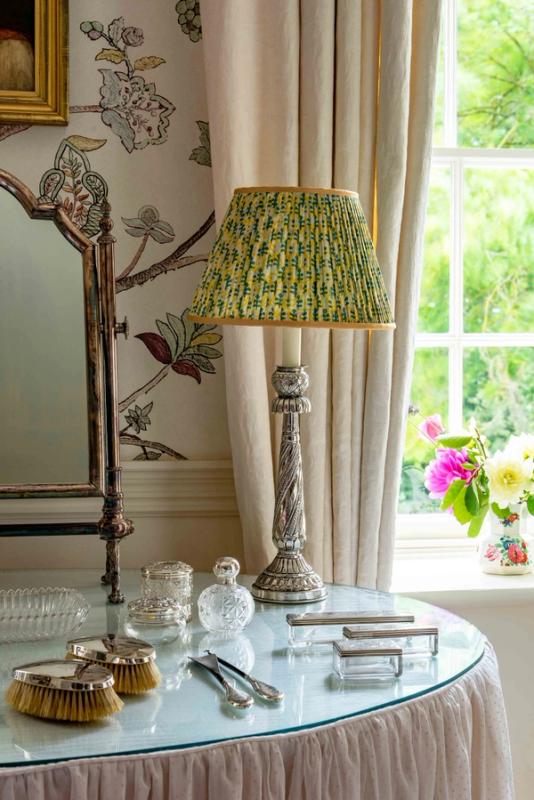
Warm lighting is relaxing, inviting, and particularly effective in the autumn and winter months, when it illuminates windows and creates that postcard-perfect scene of a house hunched in the frost and snow. Particularly warm lighting is used for decorative filament bubs, since it’s soft and dim enough that it doesn’t need a lampshade to be a comfortable addition to the room. A lampshade will, however, help to disperse the light more evenly, and illuminate the room more effectively.
Warm Lighting on the Kelvin Scale: typically, between 1,000K and 5,000K.
Everything you need to know about cool lighting
Cool lighting is brighter. It tends to have either a stark white hue, or a slight hint of blue. This is the same kind of ‘blue light’ that computer and phones emit.
The reason ‘blue light’ has a slightly negative reputation these days is because too much of it at the wrong time of day can confuse our circadian rhythms. Since blue light is emitted by the sun, looking at a screen late into the evening (and giving yourself an untimely dose of blue light in the process) can prevent your body from releasing ready-for-sleep melatonin.
Similarly, if you want to feel peaceful and ready for rest at night, you’ll want to avoid cool lighting in the bedroom – and any other rooms you unwind in. A lot of people prefer it for the kitchen, the bathroom, and the workroom or office, rather than the living room, family room, and bedroom.
If you want some more inspiration for lighting the bedroom, then take a look at our article here.
Can I mix warm light with white light?
Yes, definitely. Some people choose to install white lightbulbs in their overhead lights, then explore a warmer, dimmer style of lighting within their lamps and other decorative lights. Keep in mind, however, that the overheads tend to be more direct, while lamp shades are here to diffuse the lightbulb’s glow and create something that is softer, and much easier on the eyes.
If you’re looking for light that creates a cosy, warming embrace – something relaxing and unstimulating – then warm light is your best bet, and layering it up with decorative lights will mean that you don’t need to worry about the home feeling dim or so ready-for-bed that you can’t keep your eyes open at 15:15 on a Monday afternoon.
If you’re looking for strong, focused lighting to light your way as you work, cook, and clean, then white lighting can be best. Tempering it with some strong lamp shades or some warmer bulbs will prove the most comfortable, and keeping in mind that it can stop you from getting into the sleepy mindset at the end of the evening will encourage you to swap the overheads for lamplight when it starts to get dark outside.
More from Decoration