


Decoration
The Changing Face of Sustainable Interior Design
Sustainable interior design has no clear-cut border anymore; instead, it can take any shape designers and homeowners want it to take. Click here for more.
The Changing Face of Sustainable Interior Design
It used to be that the phrase ‘sustainable interior design’ evoked very clear images of an organic, earth-centric approach to decorating a space. It put in mind images of living walls, bubbling water features, triple-aspect rooms and organic shapes in the place of straight lines, 90° corners and perfectly level floors and surfaces.
These days, the phrase applies to a much more varied and nuanced collection of styles. Sustainable design comes in all flavours – or, in the very least, the right designer has the power to infuse a favoured style with sustainability, no matter how disparate the two seem.
At Penny Morrison, the topic of sustainability is central to the pieces we create, the way we source our materials, the artisans we work with, and our methods of production. For that reason, we’ve put together some of the ways an emphasis on sustainability is taking hold in the interior design world.
A shift away from fast production
The ability to produce, produce, produce neatly precipitated a philosophy of buy, replace, buy, replace. It’s never been easier to outfit a home according to a fleeting trend and then re-outfit it as soon as the next trend comes along. But that ease comes at a big cost to the environment – and to the very way we regard our homes. According to researchers at the University of Oxford, being more sustainable makes us happier – and that’s particularly important when those sustainable choices reflect in our at-home environments.
Fast production has become a fact of life, but there are still techniques and production methods that have managed to survive this shift.
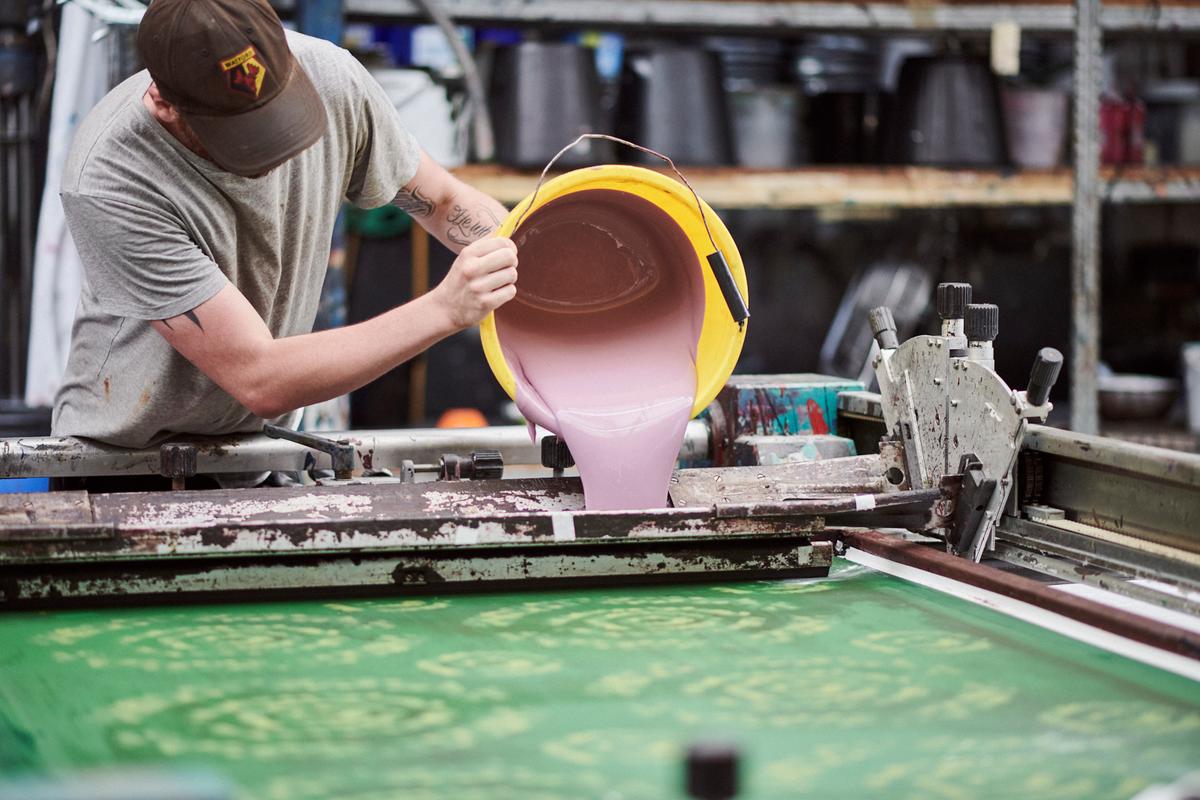
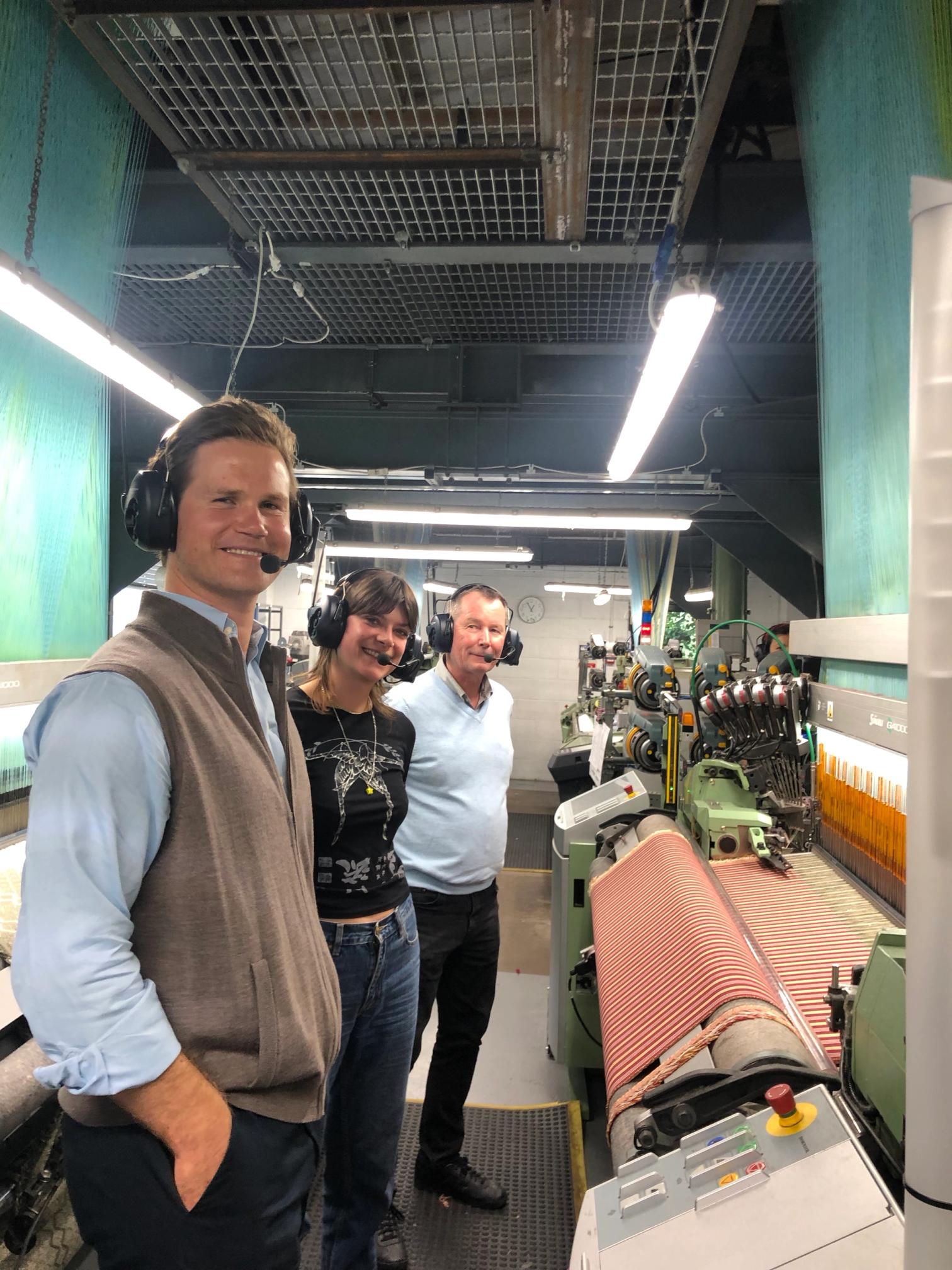
Techniques like hand-painting, hand-glazing, and hand-printing are gaining a lot of favour – those minor imperfections that occur when production doesn’t take place on a conveyor belt adding beauty, rather than taking it away. This is something we hold very dear at Penny Morrison, where working with artisans who take pride in each piece they create sits at the very core of our philosophy.
The satisfaction of reinvention
It’s not just about what you buy, but what you keep – and how long you keep it for. In 2019, the North London Waste Authority stated that, each year, somewhere in the region of 22 million pieces of furniture are discarded – a cycle that has no doubt been exacerbated by cheap, mass-produced pieces that aren’t fit to withstand the test of time.
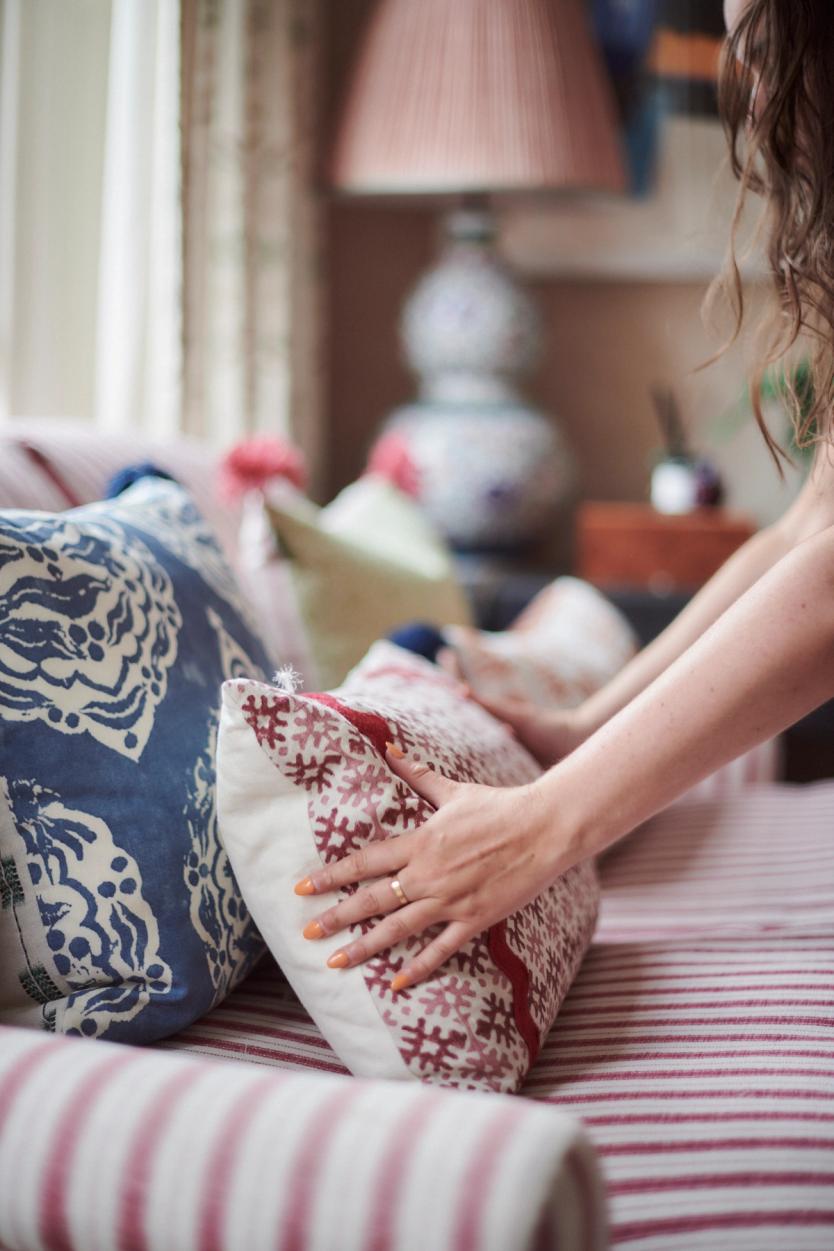
Instead, many people are choosing fabric to reupholster a tired chair or sofa – new paint or wax to reinvent a bureau or sideboard rather than sending it to landfill – and to invest time into restoration products rather than shopping trips.
More recently, even the practice of ‘upcycling’ has seen its own evolution. We recently wrote about this phenomenon here, and how a growing concern for the environment is inspiring people to explore new ways of restoring old furniture.
A break from the cycle
The trend cycle is a modern phenomenon powered by the internet – and, in particular, social media. Trends explode onto the scene, captivate us for a short time, then disappear almost as quickly as they arrive. Fast fashion and fast interior design feed into this cycle, and, at the same time, the cycle fuels fast production.
But more people are choosing to step out of this cycle and, instead, invest time and attention into realising their own personal style. Distancing yourself from micro-trends takes a real commitment and a renewed appreciation for what you find beautiful. It takes acceptance that what’s new will always seem like greener grass, but feeling that way doesn’t have to compel you to give in and change everything.
A growing interest
Sustainable interior design isn’t a small niche in a big discipline anymore. The time for sustainability to be equated with a very particular, stylised form of design has now passed, and, from now on, designers and homeowners have the power to embrace sustainability without sacrificing their own sense of style.
In general, customers are getting increasingly preoccupied with the question of sustainability and responsibility. From food to fashion, cosmetics to interior design, the desire to shift away from blind faith in brands and, instead, hold them accountable for their practices has grown significantly.
This is a slower way of living, a slower way of decorating, and a slower way of making our homes what they need to be. It’s a beautiful change of pace and, hopefully, the next decade will see more and more people turning to slow production.
More from Decoration