


Decoration
Evoking the 70s in Interior Design Without Parodying it
The 1970s was one of the most influential eras for interior design. Click here to find out how you can draw inspiration without parodying it.
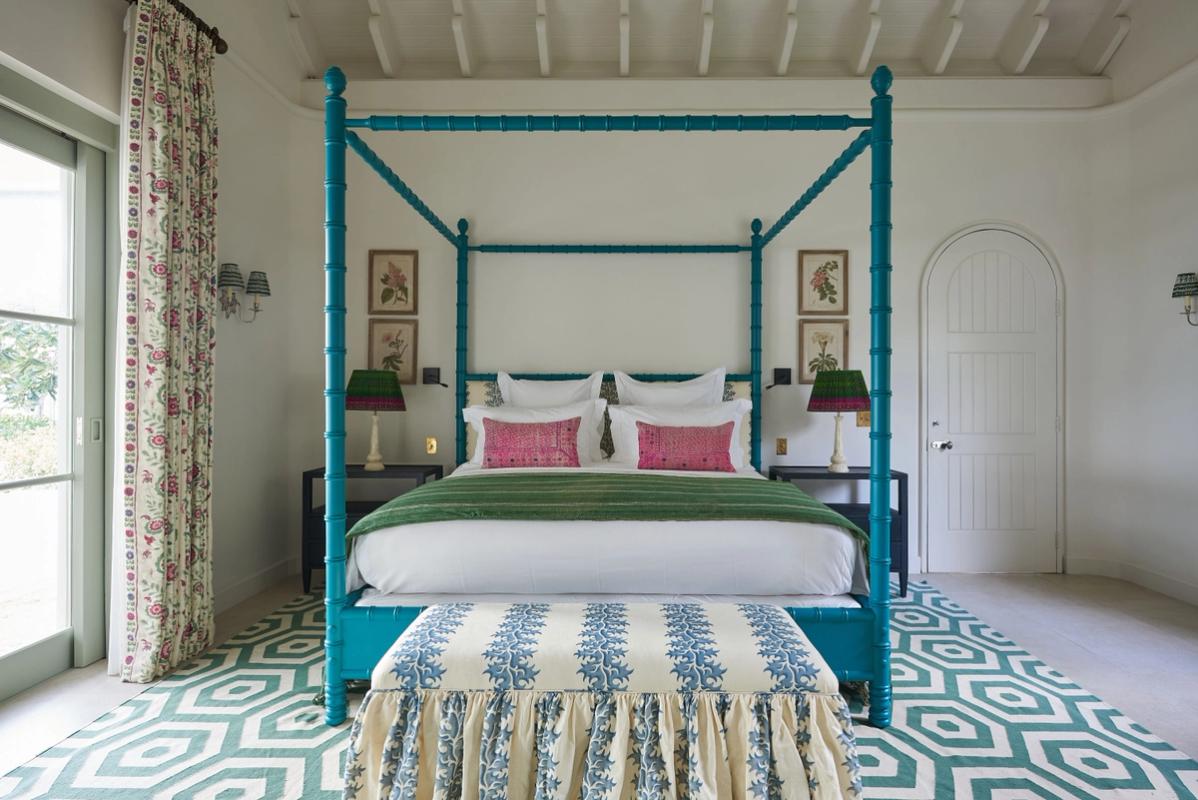
Evoking the 70s in Interior Design Without Parodying it
In many ways, the 1970s was the most influential decade for interior design. Forgetting the carpeted bathrooms or sunken lounges, homes today still evoke several aspects of the 70s household, with some of the most popular including the patterned wallpaper, bold wood panelling, and gorgeous rattan furniture.
But there’s a fine line between evoking the 1970s and copying the 1970s. One of them will give you a home that is clear in its message, but delicately subtle, and personal enough to be considered unique. The other one will give you a home that feels confused, incoherent, and borders on a parody of the 1970s, rather than a loving replica.
This is why it’s so important to avoid ‘fast interior design’. While it can be tempting to rush toward that end goal, doing so will make it far more difficult to apply any finesse. It’s the finesse you’re going to need if you want to focus on creating a timeless, made-to-last interior, rather than an idle homage to a bygone era. So keep it slow. Take your time. And pay attention.
Evoking the 1970s With Colour
Earlier, we mentioned the carpeted bathrooms and sunken lounges that have become synonymous with 1970s design. We’re not saying you would go so far as to replicate them, but they provide a good example of what you shouldn’t do. Don’t look at the surface of things.
If you’re looking to evoke the 1970s, it’s better to examine what was on the fringes. The colour palette, for instance, played a larger role than many can remember.
Just two years ago, designer Robert McKinley underwent a project in Montauk, during which he painted a kitchen floor an avocado green. For many people, this was akin to an aesthetic crime, but really, it was a clever throwback to the colours of the 1970s period. As a result, the kitchen was stark, and earthy, with an almost Wes Anderson ambience (https://www.pennymorrison.com/journal/why-the-wes-anderson-aesthetic-is-a-match-made-in-heaven-for-interior-design) that didn’t verge into the kitsch.
This is something that should be learned from. McKinley didn’t dive into a 1970s aesthetic, but he did add a layer of it that made an impact without being a pure parody. Whether it’s with avocado, mustard, yellow, burnt orange, or olive, you can do the same. It is these colours that can be evoked in your household and given a platform – whether that’s through the wallpaper or upholstery – to shine.
Finding Beauty in 1970s Lighting
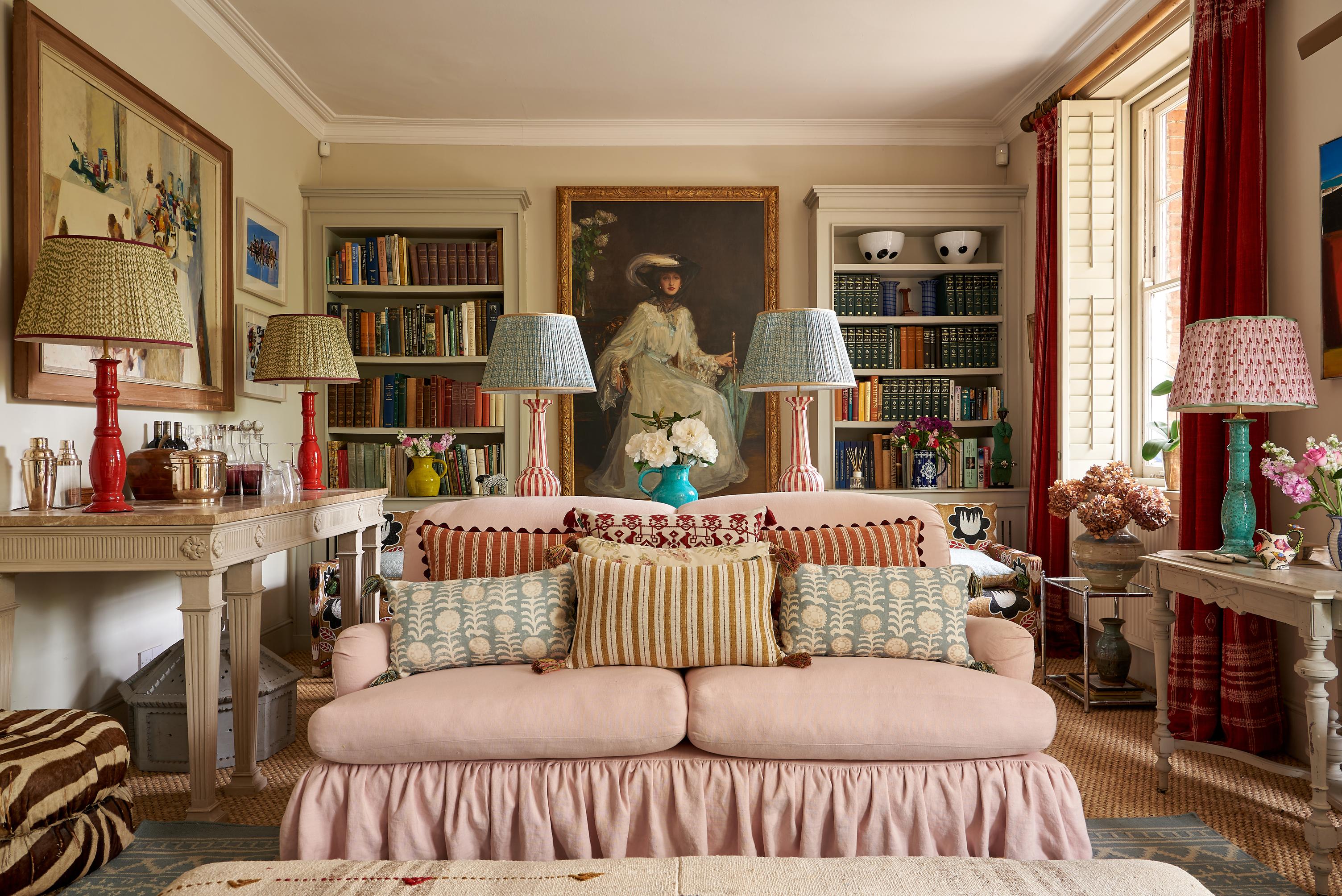
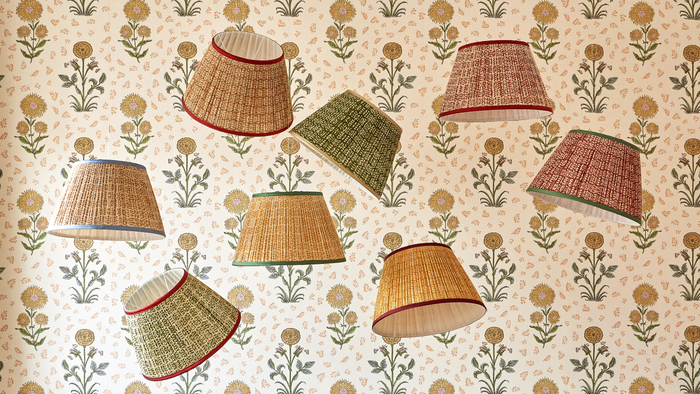
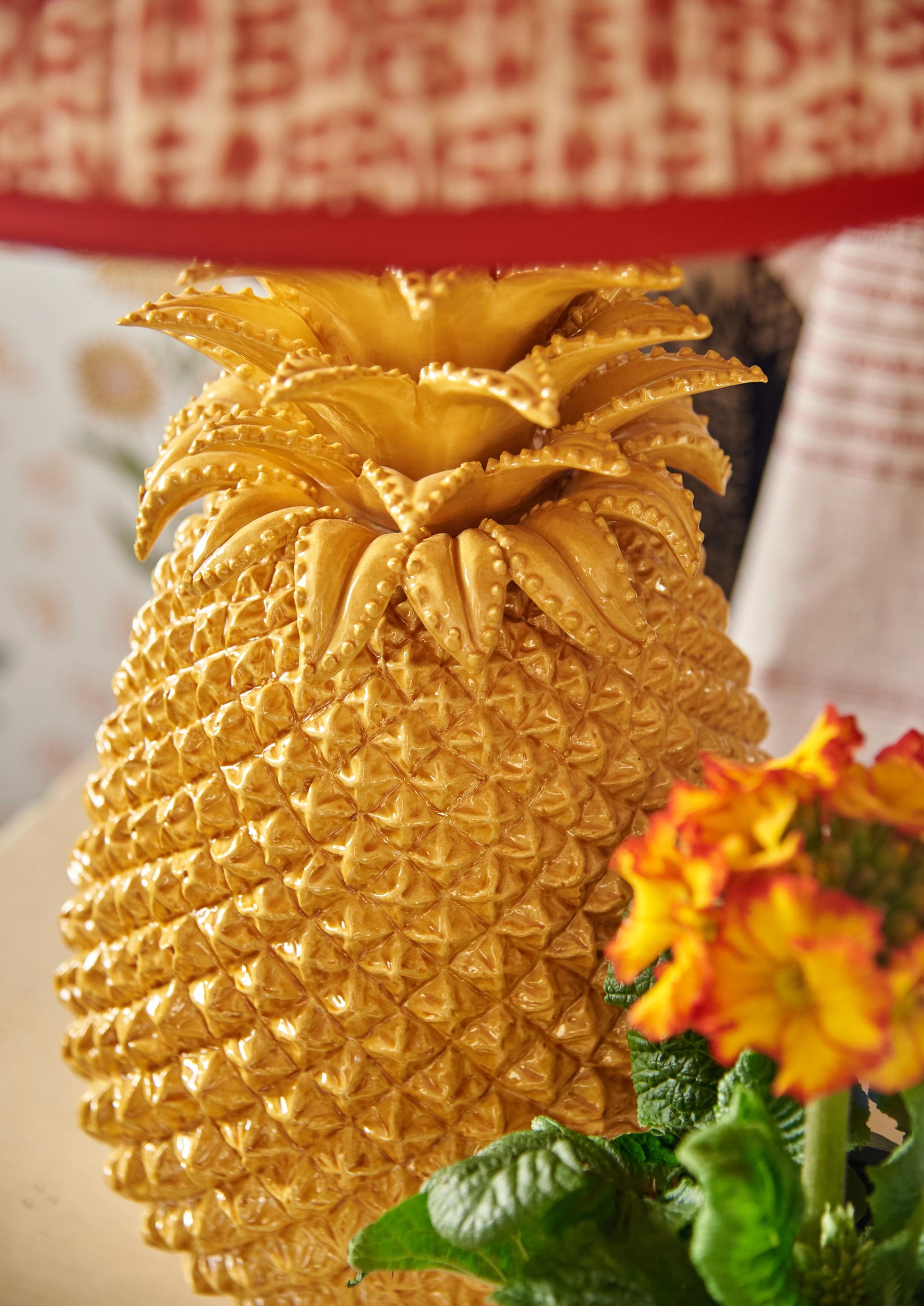
The use of decorative lighting also had an underappreciated contribution to 1970s design. For instance, the 1970s made lamps more of an ornamental feature than practical. They were not just used to brighten a room but became part of the room’s furniture.
This is a sentiment that can easily be evoked – without parodying the ‘flowerpot lights’ or ‘mushroom lamps’ that were so infamous fifty years ago – and done so to the room’s benefit.
The type of lighting can also be considered. In the 1970s, many homes were dimly lit, with warm, candlelit hues over the harsher white-blue hues that have become so popular in modernist households today.
This will, of course, depend on the natural light present in your home, as well as the textures of your furniture in the first place – warm lighting is easily absorbed by darker textures, and can clash with lighter fabrics. But it’s a good route to take if you’re looking for a warmer, almost champagne-like tinge to your household.
Making One Crucial Statement
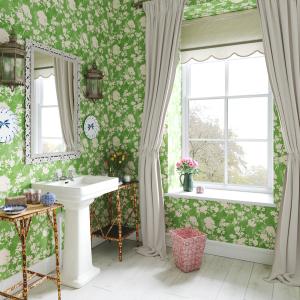
Patterned wallpaper types can also be a reasonable throwback, provided they’re chosen with care! One of the first things you need to do in this respect is figure out whether this should be an accent wall or a complete wallpapering of the whole room.
For a 1970s theme, an accent wall might be your best bet to give the room a slight flair, without cramping the overall style which – unless you are parodying – shouldn’t match the patterns in the slightest.
Don’t worry too much about matching the colour palette, as you’re not looking for coherency. An accent wall is all about instilling energy and vigour, packing a punch in a room that needs it. Along with several 1970s-inspired features – such as olive-green upholstery, or golden ornamental lamps – this can provide the finishing touch. A solid, groovy statement that doesn’t say anything more than it’s supposed to.
These are just a few ways to evoke the 1970s, but there are plenty of other tips and tricks to find online. Some might replace the accent wall with wall panels or a mural, and some might suggest you opt for tanned leather sofas over upholstery – the less said about that, the better!
The point is, however, that all of them honour the 1970s in some way, while also honouring your household as its own, individual entity. That’s the best way to pay homage.
More from Decoration