



Decoration
Can Minimalism Really Feel Cosy?
Minimalism is often criticised for its un-cosy vibe – but is that fair? Click here for more.
Can Minimalism Really Feel Cosy?
Minimalist. It’s one of the most divisive words in interior design. It’s one that will either conjure up images of sleek lines, simple beauty, clean forms and airy spaces – each element chosen with a profound sense of intentionality – or rooms left wanting. Rooms that are pared back to the bare necessities with just a nod to conventional beauty and missing the eclecticism that shows through in rooms decorated with a greater sense of abandon.
It is, perhaps, all about the story we give to minimalism. Maximalism is associated with a freer, more spontaneous approach to artistry, whereas minimalism demands some sense of restraint, and a respect for the very basic tenets of art and design.
But there are many ways to explore minimalism, and restraint doesn’t have to be synonymous with creative Spartacism. Less beauty is still beauty – but, on a more practical note, is less really compatible with what so many of us are looking for: comfort, cosiness, and relaxation?
The Trend Toward Cosy Minimalism
Minimalism is always as popular as maximalism. True, the two are constantly vying for the very highest rung on the ladder, but few camps are as cleanly divided as these. When minimalism is at the top, the maximalists of the world remain, for the most part, unconvinced – and vice versa.
But recent years have seen the biggest trends grow more nuanced – largely because of the gathering speed of the trend cycles, and the fact that a faster turnover from this to that to that means old trends need to be accompanied by fresh buzzwords to nab attention.
And what better way to build a new buzzword than by targeting minimalism’s Achilles’ heel – that age-old argument against: it’s just not cosy. Minimalist spaces seem to offer fewer places for the weary to really sink in – fewer personal touches that turn a staged room into a warm and inviting family home – fewer details that seem to draw the fresh eye further and further in.
So, ‘cosy minimalism’ it is. But is it?
When done right, yes, minimalism can be cosy. Perhaps it won’t ever be as overtly ‘curl up and sink in’ as its more naturally sumptuous counterpart, but maximalism wouldn’t be maximalism if it didn’t have some big boots to fill.
From the wallpaper to the soft furnishings, there are plenty of opportunities to embrace the comfortable.
It’s about quality
Quality over quantity – that’s the mantra of the devoted minimalist. Quality of form and texture – quality of colour, with all elements carefully matched to a signature palette – and quality of presence. There is, after all, no room for lightweights in minimalist design.
Comfort and cosiness are also about quality, and plenty of the fundamentals are permissible in even the most minimalist of spaces.
Take, for instance, feather down – that unique, airy quality is the ultimate choice for anyone looking for something to sink into. Textiles with real texture – a palpable sense of craftmanship behind them that one can only see when right up close (say, napping on a lazy summer afternoon or huddled up in the dead of a winter’s night) – are unrivalled in their ability to invite and welcome, even when used sparingly.
Lighting, too, is the ultimate tool for creating an enveloping space, but illumination contributes nothing to clutter. True, you need to be tactical about your light’s sources – but, when these pieces are so fundamental to the room’s design, when don’t you?
It isn’t about cutting back – it’s about devoting more time to every element, from those we see to those we don’t – and suffusing everything with a level of quality that welcomes.
Print for Contrast
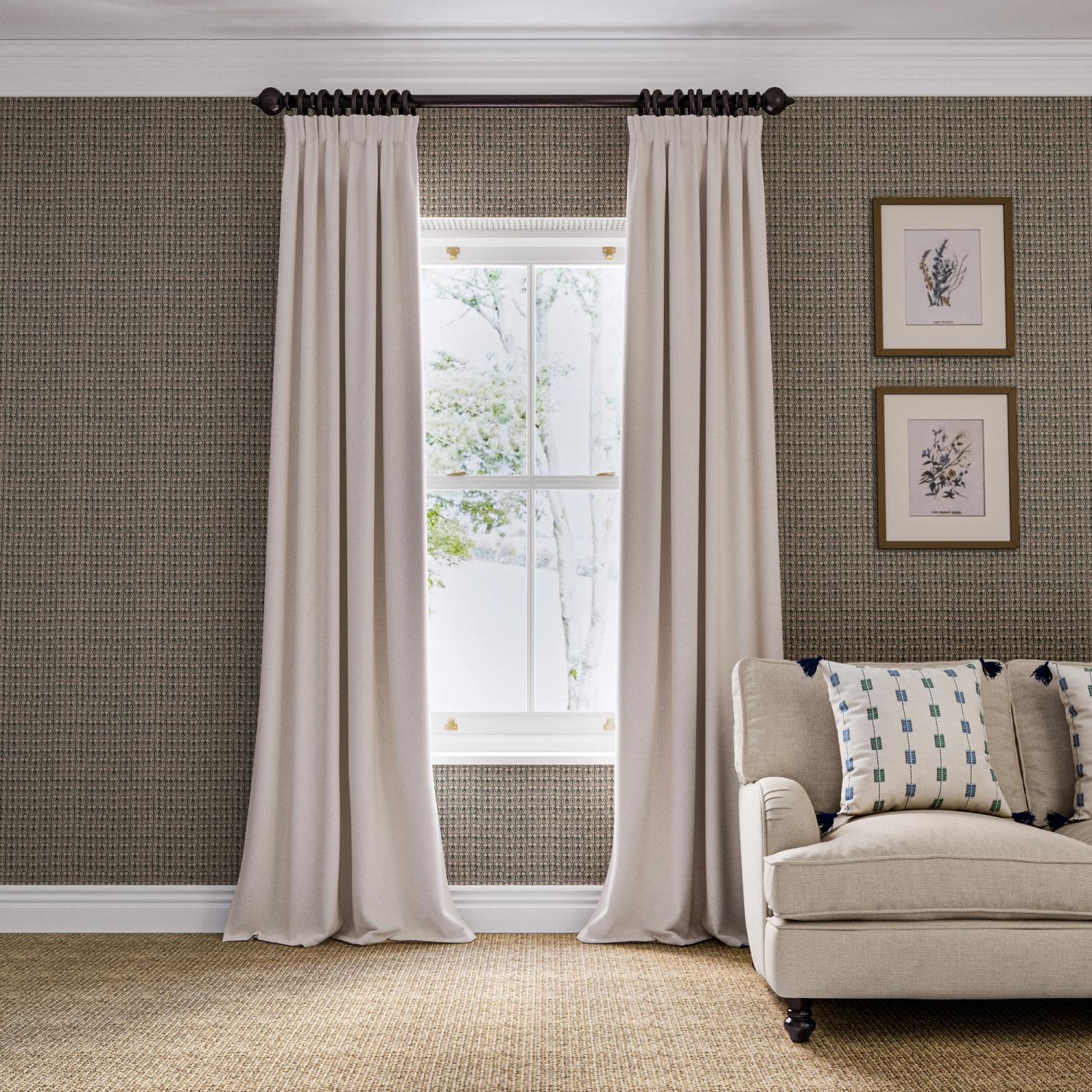
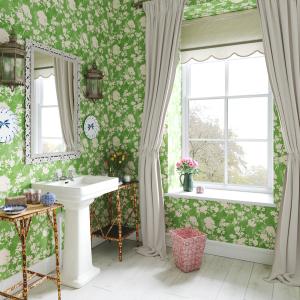
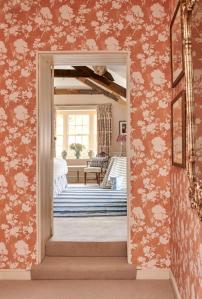
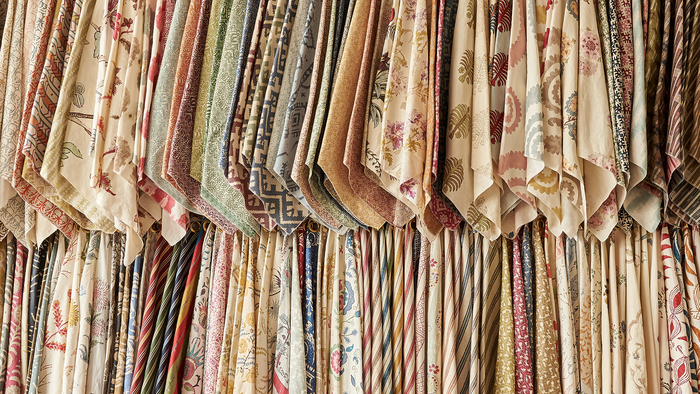
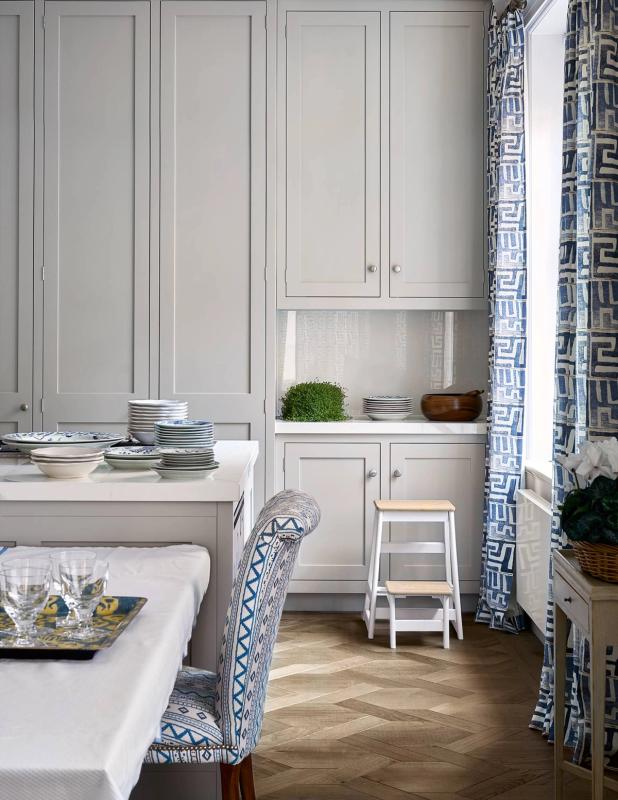
Many a minimalist has declared themselves immune to the pull of the print – of a decadent wallpaper or beautiful fabric – out of loyalty to their style, but it doesn’t have to be that way. True, a room showcasing layers upon layers of contrasting, busy patterns will fail to hit the minimalist mark, but patterns used tactfully can actually bring more attention to the negative space that defines the rest of the room, while also giving it that sense of depth crucial to creating an inviting, comfortable space. Yes, choosing the right patterned wallpaper for a minimalist room might take more time, but it’s worth it in the end.
Whether the walls represent 360° of whitewash or an ode to austere artwork, adding in a few flashes of print creates a focal point, but also brings into sharp relief the comparative bareness of the rest of the room.
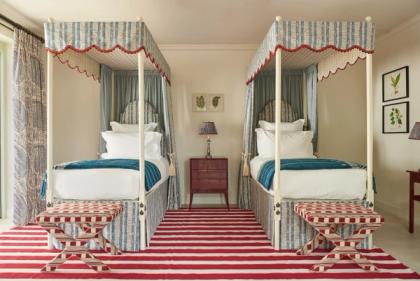
Geometric prints are particularly useful for this style, whether you apply them to the walls or the soft furnishings – wherever you need a focal point. You can also read more about using geometric fabrics here.
More from Decoration