

Decoration
3 Principles of Interior Design for Low-Stress Living
Minimising stress at home is all about the design. Click here to find out more about three of the fundamentals behind low-stress interior design.
3 Principles of Interior Design for Low-Stress Living
There aren’t many phrases out there that are more comforting than, ‘I’m coming home’. Maybe, ‘I’m home’ beats that one to the Top 5 – and ‘Everyone is home’ goes one step further than that – but, on the grand scale of things, that little feeling that picks up inside us when we start to recognise the landmarks on the road, the place names…even the potholes.
Home should always represent a retreat. True, leaving it in favour of the outside world for a while can be nice, but the return is always the better.
For that reason alone, it’s no surprise that much of the interior design world is preoccupied with comfort, relaxation, harmony, and peace. Even branches of design that aren’t expressly interested in maximising those cosy vibes – say, minimalism, with its penchant for clean lines rather than endlessly sumptuous furnishings – are built around the same basic interest in creating palliative spaces for addled minds.
Some techniques are more obvious than others: a thick throw and a roaring fire – or maybe a zen outdoor space, complete with a hammock and flowerbeds of natural tonics like lavender and camomile. But how is the antidote to stress infused into other areas of interior design?
1. Lighting
Humans have been creating their own light for thousands of years, using flames and campfires to illuminate the world after the sun has disappeared. It’s part of what makes us who we are, but that doesn’t mean our minds are equipped to handle an excess of light – or light that feels too unnatural.
Light is a fundamental pillar of interior design. The right lighting and warm tones can create a profound sense of peace and wellbeing, even long after the sun has gone down. On the other hand, the wrong lighting – specifically overly bright, overly homogenous white lighting – can unravel even the best (and most harmonious) interior design.
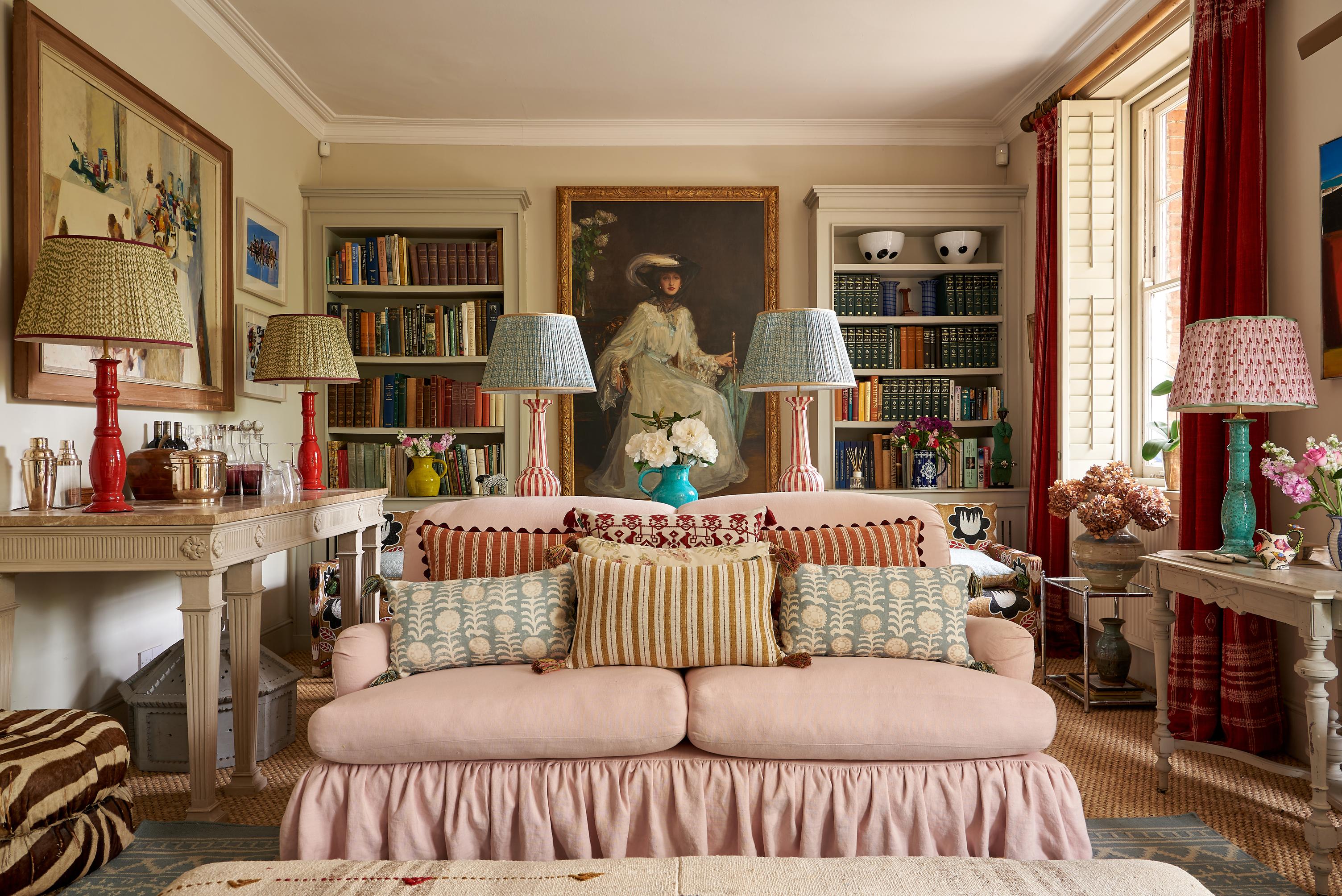
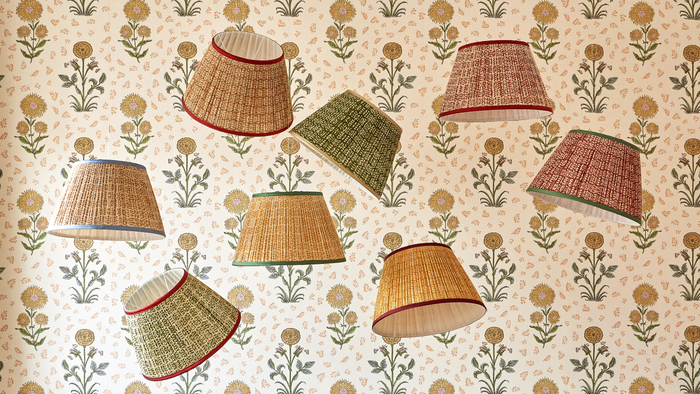
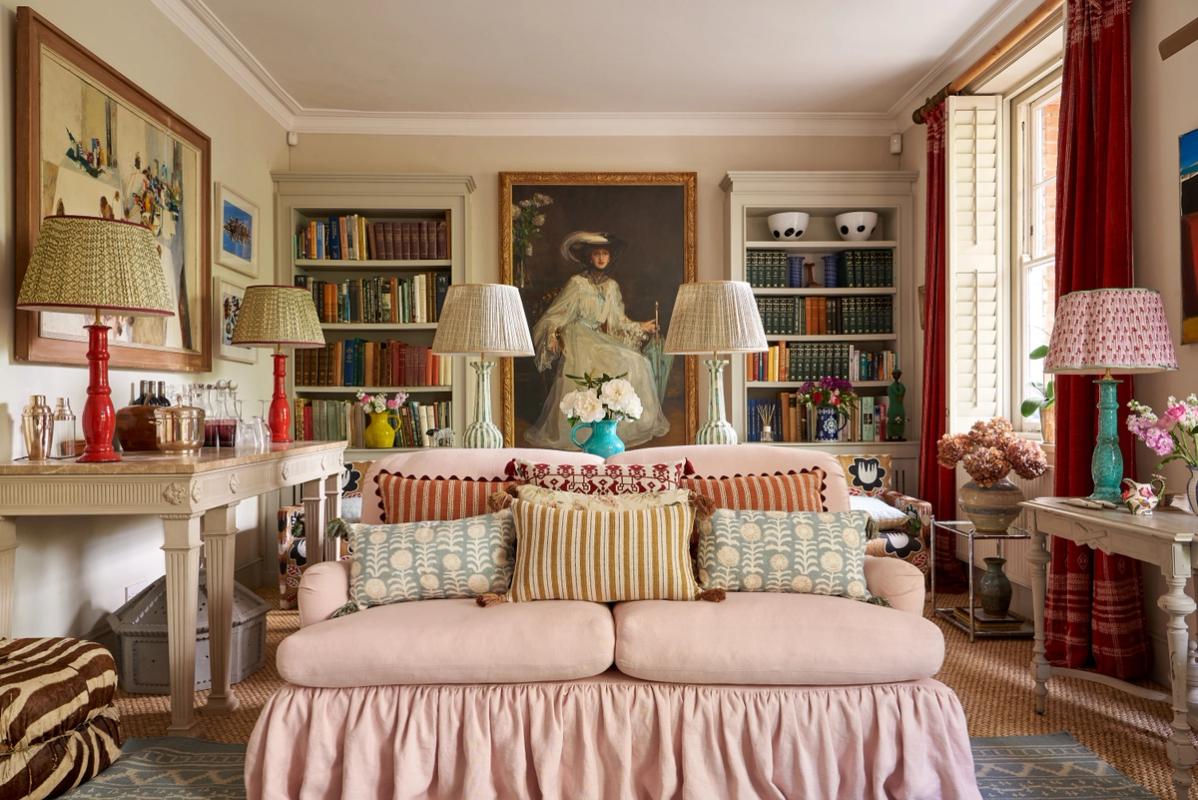
In general, outfitting the room with an abundance of decorative lighting and layering those elements to create a more nuanced collection of light and shadow – a sort of textured illumination – is far more effective than relying on the overheads and calling it a day. Try our new Striped Bone Inlay lamp bases to inflict some character into your living room.
No matter the room’s layout, colour scheme, or style, lighting is the ‘make or break’ when it comes to finding peace, wellbeing, and comfort in and amongst your furnishings.
2. Texture
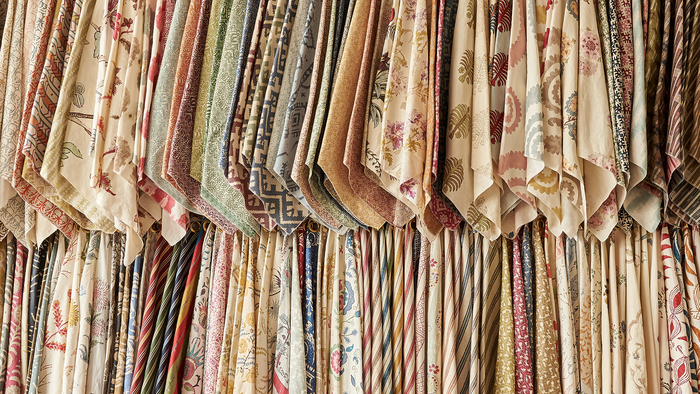
Specifically, organic textures – wood, stone, and natural fabrics like linen (https://www.pennymorrison.com/journal/why-linen-is-a-key-sustainable-material), cotton, hemp, and silk. It should come as no surprise that natural and organic objects, scents, and tastes are incredibly effective at rooting us – encouraging us to slow down and smell the roses (literally).
Modern life can easily force us to spend too much time in our own heads (https://medium.com/darius-foroux/stop-spending-so-much-time-in-your-head-76b62942f878), and anything that can bring us back down to earth is a powerful tool for promoting a sense of calm. The sound of the wind in the leaves, the smell of damp grass after rain, and the textures that compel us to linger a little more over the physical world around us are very powerful.
3. Colour Theory
Colours have the power to stimulate different parts of the brain and alter our mood with the release of different hormones. We wrote about this not too long ago in our guide to using red to decorate the bedroom and whether or not it’s just ‘too much’ on our senses when we’re trying to unwind and go to sleep.
Blue, for instance, has been shown to cause the release of oxytocin, which is affectionately known as the cuddle hormone. It’s the perfect choice for a room designed around those positive, cosy vibes, which is no doubt why it’s become a staple in spas and dentist waiting rooms. But don’t let that deter you from blue – the right shade won’t make you flashback to root canals every time you walk in the kitchen.
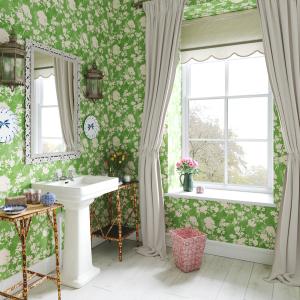
Green is another powerful colour – though, interestingly, psychological studies have shown that green light is far less impactful than blue light. The colour of nature – it’s generally regarded as a powerful hue for energising the mind and boosting creativity.
Minimising stress and creating a space to unwind in is not limited to any particular style of interior design. Ideally, these concerns should be built into any style, whether you’re working for an eclectic and beautiful maximalist design or something simplified, pared-back, and minimal. Home should represent the ultimate retreat and, for that to be realised, it’s always best to return to the fundamentals and find peace there, first.
More from Decoration